Heavenly Homemakers

Encouraging women in homemaking, healthy eating and parenting

  • Home
    • About
    • FAQs
  • Recipes
    • Bread and Breakfast
    • Condiments
    • Dairy
    • Main Dishes
    • Side Dishes and Snacks
    • Desserts
    • Gluten Free
    • Instant Pot
    • Crock Pot
    • Heavenly Homemaker’s Weekly Menus
  • Homemaking
    • Real Food Sources
  • Store
  • Contact
    • Advertise
    • Disclosure
    • Privacy Policy
  • Simple Meals
  • Club Members!

Do We Need To Be Eating So Much Bread?

February 18, 2015 by Laura 40 Comments

This post may contain affiliate links. For more information, please see our disclosure policy.

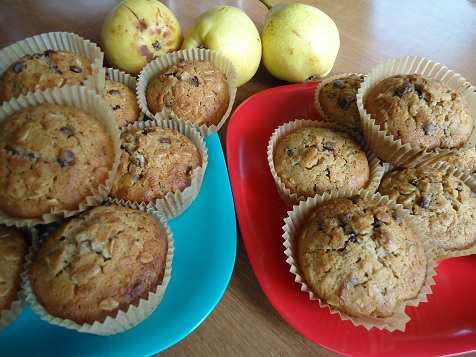
breakfast_cake_muffins_1

My grandpa always held a slice of bread in his left hand while his right hand held his fork. A meal was not a meal to my grandpa unless it included my grandma’s homemade bread. He often used his bread to sop up gravy. Or he would slather his bread with Grandma’s homemade jelly or applesauce. If there was no bread – well, there just always had to be bread.

Let’s pause now to give three cheers to my grandma who had nine children, the tiniest kitchen I’ve ever seen, and never failed to provide homemade bread at every meal. She was a rock star.  Grandma made bread like a boss. (They’re compliments, Grandma. Really.)  

I also grew up with bread served at every meal, likely the result of having a dad who had lived with a dad who always needed to hold a piece of bread in his left hand – we’ve already been through this. Thus, I began our married life always including a side dish of bread with our meals, which Matt held in his right hand – if you can possibly imagine (because yes, my husband is a lefty).

Now, of course, there are all the experts who suggest we eat “low-carb” and others who insist we all need to go “grain-free” and someday soon like tomorrow there will be a new diet claim that suggests that if we all avoid eating (fill in the blank) we will all be healthier, skinnier, and have a perfect complexion. I am not interested in a one-size-fits-all diet, fad, or bandwagon because I believe in eating real food, in balance, in its whole form, according to an individual’s needs, for the sake of nourishment and good health, all the time. It’s not a diet. It’s a lifestyle.

We interrupt this post for some important disclaimers before I share my overall thoughts on eating bread:

  1. Some truly need to avoid all grains. If that’s you, then do it.
  2. Not all grains agree with everyone. This is a real thing.
  3. My grandpa probably needed more carbs (and food in general) because he was a farmer, doing hard physical labor for many hours every day. Most of us don’t work that hard on a daily basis anymore.

Now these thoughts:
Do We Need to Be Eating So Much Bread

I do not believe that bread is evil.

However, many of us eat more bread (and cookies and cakes and muffins and donuts) than we should. To say nothing of the empty (negative) calories we consume in white flour products which do very little to nourish us – I would suggest that many of us even eat more whole grain products than our bodies actually need. Especially if we compare it to the amount of other nutrient-rich food we are consuming – like fruits and vegetables.

Oh, you knew I would bring up the fruits and veggies. The good ol’ F&Vs. May as well shorten it to save time since we talk about it so much around here and simply call them freggies, don’t you think?

Bread (and pasta and rice) can really fill us up, leaving little room in our appetites for other necessary foods that our bodies crave. (Like freggies. There. I’ve used it twice, so that makes it a real word.)  Sometimes we even load our families with grainy foods in an effort to save money as they appear to be an inexpensive, filling food choice. I totally get it. I feed five hungry men 3 meals plus snacks every day, and they definitely like grain based foods. These foods have their purpose and they are filling. But…

As  you think about the food you plan to put on your table, consider the variety of nutrients in the meal. A spread of spaghetti, corn, and bread offers little compared to a meal of spaghetti, salad, green beans, and cantaloupe. See the colorful and nutrition-packed difference? If we’re already serving rice, pasta, or potatoes at a meal, we probably don’t need bread, rolls, or bread sticks too. But an extra side or three of veggies along with a delicious bowl of fruit – well now our bodies are happy.

Fruits and vegetables are the most important part of our meals and snacks. The other parts are important too – we just need to make sure we aren’t going overboard with the bready stuff and neglecting other important food groups.

So less bread, more freggies. What do you say?

No seriously. What do you say? What are your thoughts on eating bread? And also – what do you think of the word freggies? I am so going to start saying that now.

Heavenly Homemaker's Club Members: Access your homepage and all your fantastic resources here! Not a member yet? Please join us!

My Current Thoughts About Soaking or Not Soaking Grains

February 14, 2012 by Laura 197 Comments

This post may contain affiliate links. For more information, please see our disclosure policy.

Since we started the week here talking about what healthy eating really means, I thought this might be a good time to discuss the many questions I receive about the idea of soaking grains. There is definitely conflicting information on this subject. If you’re wondering what I’m even talking about when I say “soaking grains“, you may want to read this post.

If you’ve been reading here long, you know that I’ve done quite a bit of struggling with the idea of soaking grains for better digestion. I learned so much several years ago from reading Nourishing Traditions about eating real, whole foods and the importance of healthy fats and well balanced nutrition. Sally Fallon, author of Nourishing Traditions, feels very strongly after much research that it is important to soak oats, wheat flour, and most other grains in something like whey, yogurt, kefir, cultured buttermilk, lemon juice, or vinegar for at least seven hours to allow the enzymes to break down and neutralize the phytic acid so that our bodies can digest the grain.

My initial reaction after reading Nourishing Traditions was to feel that I absolutely had to soak all of our grains before I made any breads, muffins, pancakes – everything! – otherwise I was being a horrible mother. The book wasn’t condemning, I just took everything I read in it straight to the heart, and had a huge desire to do everything right as I transitioned our family into healthy eating. I never really came up with a soaked bread we liked and many of the soaked muffins and such just had a funky flavor, but I kept trying anway. I had to soak – I had to soak – I had to soak. And if I didn’t soak, I felt guilty – like I was feeding my kids junk food. Sounds extreme, but that’s how I felt about it.

As time went on, I began to feel very overwhelmed by the need to soak all of our grains. Was anything really wrong with me simply stirring up and baking some muffins without first soaking the grains? Why did healthy cooking have to be so difficult? On top of that, my family didn’t really love the taste of my soaked grain baked goods. Truthfully, neither did I. Keeping up with soaking became a tedious chore for me, especially as my life became more full with my family and with keeping up with the work on this site.

Somewhere in there, I read this article from Bread Beckers, detailing why soaking grains is not necessary. It is a well researched, well written article. And it made me question so many things I’d learned about soaking grains.

As I’ve wrestled with this through the years, I received many questions about soaking grains from you, my readers. Here I am wavering on my conviction on this subject and you are wanting my thoughts and opinion on the matter. I don’t want to steer anyone wrong! I don’t want to be the authority on this subject! I’m not saying soaking grains is right. I’m not saying soaking grains is wrong. Shucks, I don’t even really know what I’m saying.

I’m saying I’m tired. I’m saying I’m a little overwhelmed by all the conflicting information out there about what it truly means to eat a healthy diet where grains are involved. I’m saying that I give up on trying to have all the answers about grains. Soaked grains, sprouted grains, no grains at all? I don’t want to cop out, I just want simplicity and balance. I wish I could provide you with something more solid.

For our family, at this point I have landed on eating whole grains, mainly freshly ground grains, and trying to work in a nice variety of them. For the most part, I am not soaking my grains right now. And I don’t feel guilt over it. Mostly. ;)

I’m doing the best I can for my family and I feel peace with this decision.

So what are your thoughts about soaking and sprouting grains? I’d love to hear where you have landed on this subject.

Heavenly Homemaker's Club Members: Access your homepage and all your fantastic resources here! Not a member yet? Please join us!

What it Means to “Soak Grains”

March 1, 2011 by Laura 70 Comments

This post may contain affiliate links. For more information, please see our disclosure policy.

It’s a funny term isn’t it? “Soak your grains.” It sounds like you need to dump a bunch of water into your bucket of hard white wheat kernels and give ’em a good soaking. But don’t do that.  You don’t want soggy wheat berries.

For those of you who are new to “soaking grains” and have emailed me with questions of confusion as to what this means exactly…I thought I would take the time to explain it a little bit better, and to show some pictures of what a bowl of “soaking grains” looks like!

First, let’s talk a tiny bit about why soaking grains is important. Because I’m not good at remembering big words and how to use them, here is a quote from the Nourishing Traditions cookbook about soaking grains:

Phosphorus in the bran of whole grains is tied up in a substance called phytic acid. Phytic acid combines with iron, calcium, magnesium, copper and zinc in the intestinal tract, blocking their absorption. Whole grains also contain enzyme inhibitors that can interfere with digestion. Traditional societies usually soak or ferment their grains before eating them, processes that neutralize phytates and enzyme inhibitors and, in effect, predigest grains so that all their nutrients are more available.

In Laura’s terms:  When you soak your grain, your tummy will feel better and the nutrients in the grain will be better used by your body.

If you’ve been reading here long, you know that I’m a little bit on the fence when it comes to soaking grains. Sometimes I’m a soaker…sometimes I’m not. It depends on the day and what recipe I’m using, but I do try to soak my grains if I can. There are different schools of thought behind soaking grains and you can read my thoughts about it (and other people’s ideas and comments) here. Matt and I have come to the conclusion that we don’t need to go into panic mode if I don’t get around to soaking our grains. Right or wrong…that’s where we’ve landed. I really like the pressure this has taken off of my brain.

Now, having said all of that…I would like to share what “soaking grains” really means. Ultimately, it means that you are soaking the whole grain that has already been ground into flour . (You can/should also soak oats or cornmeal. Oats are soaked the same as flour. Cornmeal requires a different variety of soaking, which I’ll discuss in a separate post.)

The soaking of said flour or oats needs to be done in an “acid medium liquid” for 12-24 hours, or at least overnight. This means, you can soak your flour or oats in:

  • Any cultured dairy product such as buttermilk, yogurt or kefir. You can read about how I easily and inexpensively make these products here. Or…
  • If you are not able to use dairy products in your family, you can instead use water with 2 Tablespoons of lemon juice or vinegar in place of the buttermilk, yogurt or kefir.

The flour doesn’t need to “go swimming” in the liquid. It simply needs to be wet. In any of my recipes that give soaking instructions, I will share the exact measurements of flour and/or oats and liquids needed for soaking. On my site, I have instructions for soaking:  Whole Wheat Waffles, Simple Soaked Pancakes, Breakfast Cookies, Breakfast Cake, Poptarts, Pizza Pocket dough, and others that I’m likely forgetting at the moment. :)  I also describe how to soak my Whole Wheat Tortillas in my Totally Tortillas ebook.

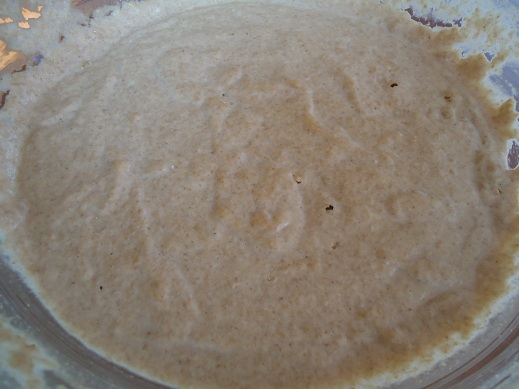
Here is what my Simple Soaked Pancakes look like in the morning after I’ve stirred together the flour and buttermilk the night before. See the little bubbles that formed? That means we’ve accomplished kind of a “sourdough” effect. Perfect! Next, I mix in the remaining ingredients and make the pancakes. (And then the fam will eat the entire triple batch before I have a chance to grab one if I’m not on top of my game.) 

This is what my Whole Wheat Tortillas look like once I’ve mixed them up and left them to “soak”. This recipe with soaking instructions is so simple because I put them all together, they soak, then they are ready right away for me to roll them out and cook them!

Soaking grains isn’t difficult at all…it just requires a little bit of planning ahead!

Some other frequently asked questions about soaking grains include:

Do I need to soak my flour even if it isn’t freshly ground in a grain mill?

Yes, even if it is store bought whole wheat flour, it is best to soak it if you can.

Do I need to soak my white flour?

Nope. The reason it’s white flour is because the bran and the germ have been taken out. The bran is what needs to be soaked in the first place. Since that’s not there…no reason to soak!

What other questions do you have about soaking grains? Are you a soaker?

Heavenly Homemaker's Club Members: Access your homepage and all your fantastic resources here! Not a member yet? Please join us!

Join Our Community!

 Facebook Twitter E-mail Instagram Pinterest

Popular Posts

~ Will All of the Real Moms Please Stand Up?
~ Easy! Stir-and-Pour Whole Wheat Bread
~ How to Make Gatorade
~ 31 Real Food Breakfast Ideas
~ Dear Teenage Girls...
~ When Mom Takes a Step Back
~ The Inexpensive Health Insurance We Love!
~ Let's Talk Real Food Grocery Budgets

Check out our latest posts!

  • Big Family Food and Fun: April 26-May 2, 2026
  • Big Family Food and Fun: April 19-25, 2026
  • Big Family Food and Fun: April 12-18, 2026
  • Big Family Food and Fun: April 5-11, 2026
  • Big Family Food and Fun: March 29-April 4, 2026
Home  ~  Simple Meals  ~  Club Membership  ~  Shop  ~  Privacy Policy  ~  Disclosure  ~ Contact

Copyright © 2026 · Beautiful Pro Theme on Genesis Framework · WordPress · Log in