Heavenly Homemakers

Encouraging women in homemaking, healthy eating and parenting

  • Home
    • About
    • FAQs
  • Recipes
    • Bread and Breakfast
    • Condiments
    • Dairy
    • Main Dishes
    • Side Dishes and Snacks
    • Desserts
    • Gluten Free
    • Instant Pot
    • Crock Pot
    • Heavenly Homemaker’s Weekly Menus
  • Homemaking
    • Real Food Sources
  • Store
  • Contact
    • Advertise
    • Disclosure
    • Privacy Policy
  • Simple Meals
  • Club Members!

31 Days of Real Food Reality – Featured January 2014!

December 29, 2013 by Laura 64 Comments

This post may contain affiliate links. For more information, please see our disclosure policy.

Ready to drop kick the sugar habit? Excited about making healthy changes in the new year? Looking to learn more about how to cook and serve real food? Hoping to continue (or start) replacing processed food with whole food?

Want someone to make it easy for you?
31 Days

Every single day during the month of January, we’ll have a post that will equip, inspire, and encourage you on your journey to real food eating. Why is it called “Real Food Reality?” Because as always, everything about this series will be doable for you. Real food for your real life.  There’s nothing complicated or time consuming about what I’ll be sharing. I’m not going to ask you to stop eating grains or meat or dairy or…chocolate. I’m not going to kill your grocery budget. I’m not going to insist that you eat weird food, make you give up your favorite foods, or heap on any guilt about the fact that you don’t eat a perfect diet.

I’ll share my real food reality with you – and you can simply relax and join the fun. Sound good?

Make your real food goals a reality in 2014!

Before we get started, please share: What is the biggest challenge for you when it comes to eating and cooking real foods?

Heavenly Homemaker's Club Members: Access your homepage and all your fantastic resources here! Not a member yet? Please join us!

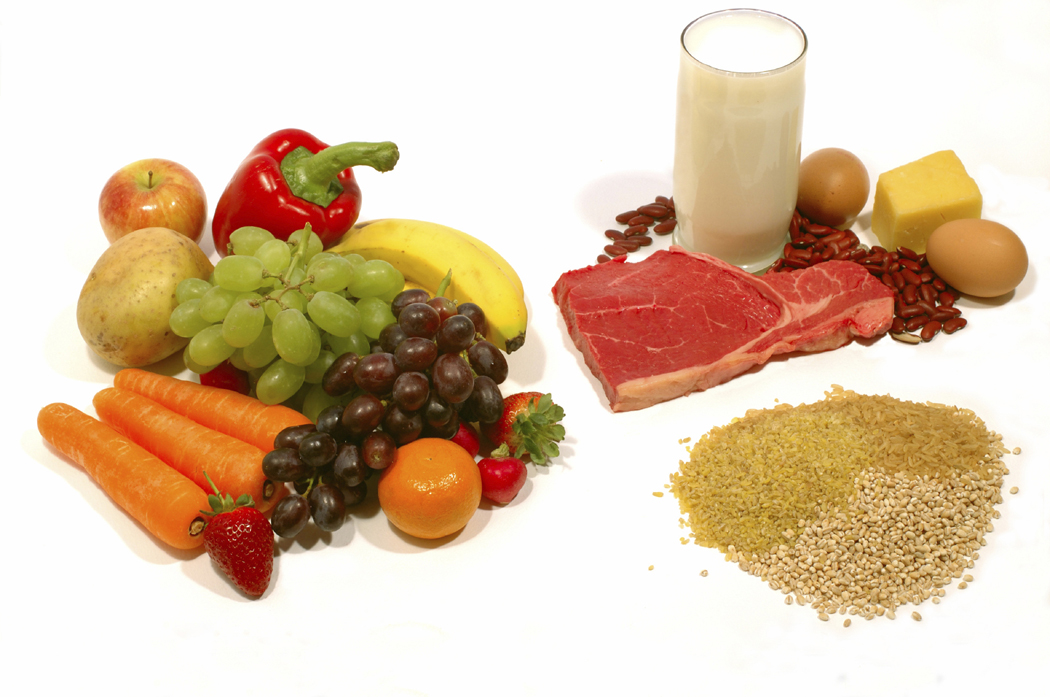
Can You Lose Weight (or Keep from Gaining Weight) When Eating Whole Foods?

February 5, 2013 by Laura 83 Comments

This post may contain affiliate links. For more information, please see our disclosure policy.

weight

Before I begin this post, I want to say this:  Being “skinny” is not the goal when it comes to eating a whole foods diet. Our goal is to be healthy, not to have a Barbie doll figure (who, by the way, is made of plastic and is susceptible to having an arm or leg snapped off, just ask my brother). Now let’s begin:

I often receive emails from readers asking me:  “I have some pounds to lose. Can I lose weight while eating whole foods?” or “How do you stay slim while eating such a high fat diet?” or “I want to start eating real foods, but I’m afraid of gaining weight.”

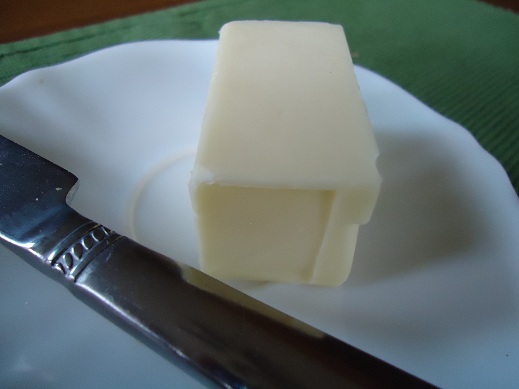
butter

Can I lose weight while eating whole foods?

These questions and fears are very valid and I understand why these emails are coming in. I was afraid of the very same things when I first learned about eating whole foods. For as long as I can remember, we have been told from experts that eating a high fat diet is bad for us. That drinking whole milk and consuming other full fat dairy products is terrible. That butter is a huge no-no. That we needed to eat fat-free yogurt. That we should avoid red meat and focus on lean, white meat. That eggs were horrible and full of cholesterol.

To replace each of these, we were provided with “low fat” and “fat free” substitutes of sour cream, cheese, and milk. We were offered “egg-beaters” to replace eggs in recipes. Margarine became the “healthier choice” because it was lower in saturated fat. And most other processed high fat food companies came out with “low fat” varieties for those who were “health conscious”. (Fat free mayonnaise, anyone?)

I bought into it for years. I think many people did. Most nutrition books on the market still suggest that eating “low fat” varieties of food is the healthier way to go.

Here’s what I learned while eating a “low fat or fat free” diet for many years:  Any time I got into patterns of over-eating – even if it was food that was low in fat – I struggled with maintaining a healthy weight. In addition, I craved more sugar since many low fat foods have sugar added to make up for the loss of flavor that happens when you take naturally occurring fat out of food.

Once I began eating a real food diet, which is higher in real fat – real butter, real cream, whole milk, real sour cream, whole milk yogurt, eggs, beef, lamb (along with whole grains and lots of fruits and veggies) – I found that these foods are so satisfying that my body wasn’t consistently craving what it wasn’t getting! I found that the food tasted so good that I wasn’t constantly disappointed with dry, tasteless food. I found that I had more energy and healthier skin. I found that overall, because I was eating whole food in its original form, I felt so much better than I’d ever felt when I had been eating food that had been stripped of its natural fat.

Cream Cheese Chicken

So can you eat whole foods that are naturally high in fat and maintain a healthy weight, or even lose weight if you need to? Yes!  I’ve watched friends arrive at a healthy weight once they began eating a real food diet. Once they gave up eating processed foods, and even “low fat foods” and began to instead eat a diet of unprocessed, whole foods – the extra pounds just fell off! And I can tell you that for myself, after 15 years of following the latest diet trends (low fat, calorie counting, etc) in an effort to “not gain weight” – eating a diet of real, whole foods (going on eight years now) has been the easiest way I’ve experienced to maintain a healthy weight.

I’m going to say this again:  None of us should have being “skinny” as the goal as we look at this subject. We should be focused on being “healthy”.  Eating a well balanced whole foods diet is healthy. And wow does it ever taste good!

Here are my top five tips (besides eating a whole foods diet) for maintaining a healthy weight:

  1. Don’t Over-Eat: Too much healthy food is still too much food. Eat when you are hungry. Stop eating when you are full. It’s really quite simple. (Except for when it’s chocolate. Then it is difficult. Self control, Laura everyone, self-control.)
  2. Be Balanced:  Sure, I love butter and believe wholeheartedly that it is a healthy fat. But man (or Laura) shall not live on butter alone. Eat a wide variety of whole foods for a healthy balance that will meet all of your body’s needs.
  3. Go Easy on the Sugar:  Yes, even natural sugars like honey, sucanat, and maple syrup. And desserts made with chocolate. But I covered that already.
  4. Exercise:  For so many reasons, just do it. You will not regret it, and your body will love you for it.
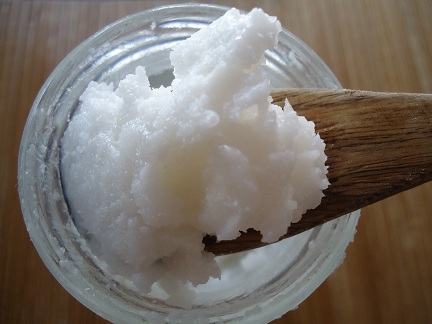
  5. Eat Healthy Fats:  Avoid processed, manufactured fats like vegetable oils, crisco, and margarine. Our bodies don’t recognize them, can’t utilize them, and therefore store them in our bodies as fat. Coconut oil, real butter, and palm oil are all fats our bodies can break down and utilize for energy and nourishment.

I hope you will all feel comfortable leaving a comment to share how this journey has been for you. Have you found that eating real, whole foods has helped you achieve a healthy weight? Are you afraid to eat a whole foods diet? Have you been eating a whole foods diet and been happy with the results? 

Heavenly Homemaker's Club Members: Access your homepage and all your fantastic resources here! Not a member yet? Please join us!

Save $10 Off Your First VitaCost Order As You Make Healthy Changes {You Can Do This! eCourse Bonus Tip}

January 20, 2013 by Laura 16 Comments

This post may contain affiliate links. For more information, please see our disclosure policy.

ECourse1BonusTips

I am very excited that so many of you are taking part in our You Can Do This! The First Five Steps To a Real Food Kitchen eCourse!

As an added bonus – for those of you who are participating in the course and for those who aren’t – each Monday for the next few weeks, I plan to share a Bonus Tip to encourage you along in your Real Food Journey. Remember though, these are just bonus tips. If you take the eCourse, you’ll get loads more information, guidance, downloads, recipes, and worksheets – all for just $5! (Click here to purchase if you are interested.)

Beginning to make a few healthy changes in your kitchen? Feeling like you don’t know where to start and how you can find the extra funds?

I dedicated an entire lesson of the eCourse to figuring out how to make a Real Food Kitchen work in your budget, so hopefully those of you taking part of the course have found some money saving and management tips that have been helpful.

In addition, I wanted to remind you all of my Whole Foods Resources page here on my blog. I have found that purchasing much of our food online has saved so much money, time, and energy. Having healthy food delivered right to my porch? It doesn’t get much better!

One of my favorite online resources is Vitacost. I buy all sorts of items from them, from vitamins to coconut oil to oats to almonds to the occasional “healthier treat”. They are constantly running sales, so if I watch for them, I can score great deals. One of my favorite deals is running right now:  Receive Free Shipping when you purchase $25 or more of the VitaCost Brand items. This includes their Vitacost Brand Coconut Oil. If you’re taking the eCourse, you know that this is one of the first suggestions I make – to switch from unhealthy oils to healthy fats like Coconut Oil.

And here’s the best news:  If you are a brand new customer with VitaCost, you can click here through my referral link and be rewarded with a $5 coupon code to use on your first order (which must be $30 or more).  What a great way to save you money as you are getting started with switching over to some healthier items in your kitchen!

What a blessing to have such great food sources available to us online!

Share an ingredient or two in the comment section that you are planning to switch over in your Real Food Kitchen. I love hearing about healthy changes you are making! :)

Interested in learning more about our
You Can Do This! The First Five Steps To a Real Food Kitchen eCourse?
We’d love to have you join us!

Heavenly Homemaker's Club Members: Access your homepage and all your fantastic resources here! Not a member yet? Please join us!

What Does it Mean to “Eat Real Food” {More About Our “You Can Do This” eCourse}

January 3, 2013 by Laura 18 Comments

This post may contain affiliate links. For more information, please see our disclosure policy.

real_food

It’s almost time for our You Can Do This! The First Five Steps to a Real Food Kitchen eCourse to launch! It will be available Monday, January 7 – the countdown is on. I am so excited for you to join me in this class that I can hardly stand it!

When I say “real food kitchen” – many of you are wondering what exactly that means. I decided to give you a little more information about the eCourse so that you better understand what you’re signing up for if you choose to join us.

What the You Can Do This! The First Five Steps Toward a Real Food Kitchen eCourse is about:

~  Baby stepping away from processed, boxed foods and toward delicious, healthy, fresh food.
~  Setting personalized goals that will work for you and your family – no matter your situation, location, or season in life.
~  Figuring out how you can make a Real Food lifestyle work for you financially.
~  Walking through the basics of simple, healthy menu planning.
~  Deciding when to compromise your real food diet.
~  Learning how to keep the journey simple and easy.
~  Enjoying balance and grace. Ahhhh...relax. Your Real Food Kitchen will be a breath of fresh air!
~  Having fun. You know I always like to have fun around here. Yes, that is a fact that will be on the test. Oh wait – in this eCourse, there are no tests! Sit back and enjoy the ride!

What this eCourse is NOT about:

~  Eating foods that are all organic, grass fed, free range, fermented, raw, yada yada. All of these truly are great and healthy, and I will eventually encourage you to check into them. But those are not the areas I believe should be our main focus as we take beginning steps toward a Real Food Kitchen.
~  Eating low fat, low carb, grain free, vegan, etc. I’m not knocking those ideas (necessarily), but within this eCourse, we’re working toward eating a wide variety of wholesome real food, in its original form, in balance. 
~  Dieting. This isn’t about losing weight (although some might find that they naturally arrive at a healthy weight while working through this course). It’s about adopting and living a healthy lifestyle for yourself and your family.
~  Adapting to a one size fits all plan of action. No way. Your Real Food Kitchen is likely to look different from mine based on circumstances and preferences. This eCourse will allow you to create your Real Food Kitchen on your time table, around your schedule, and based on your own goals and desires. And guess what? I won’t make you eat okra if you don’t like okra. 

My goal is that as you work your way through the eCourse, you find yourself saying, “Seriously? Is it really this easy? I can do this!”

ECourse1AdFinalComingJan

Have more questions? Let me know. More information to come about what you can expect in the You Can Do This! eCourse. Make plans to join us beginning January 7 (or any day thereafter). Cost will be only $5 for the entire course. Come one, come all!

Heavenly Homemaker's Club Members: Access your homepage and all your fantastic resources here! Not a member yet? Please join us!

I Can’t Find Healthy or Organic Foods Where I Live! {No More Excuses}

March 13, 2012 by Laura 26 Comments

This post may contain affiliate links. For more information, please see our disclosure policy.

I live in a small town in rural Nebraska. I am surrounded by smaller towns, and tiny towns, and lots and lots of big, huge corn fields. We can drive to Lincoln to a Trader Joes in one hour, or to Omaha to a Whole Foods store in two hours. Neither of those options is convenient since we don’t make trips to Lincoln or Omaha very often.

Therefore, I just assumed that eating healthy foods would be out of the question for our family. Where was I supposed to buy high quality food without having to drive 100 miles to go shopping? And then, would I even be able to afford the food at those specialty stores?

For our family – thinking outside the box when it comes to finding healthy food resources has been a very good idea. There are healthy food options all around us – we just had to go about our grocery shopping adventure a lot differently than what we considered to be “normal”. We do purchase a few items at our local grocery stores and at Walmart – like bananas, clementines, and a few other organic produce items that they might carry occasionally. Otherwise, here is how our family now purchases groceries:

We order from a health food co-op.

Azure Standard has been wonderful for us. We order online once a month, then pick up our food when it is delivered right here in town. Their prices are unbelievably good. I encourage you to look into joining a health food co-op as a way to find whole foods at a reasonable price. If Azure Standard doesn’t deliver to your area, look through all the comments on this post to learn of a health food co-op option that might be available where you live.

azure_standard

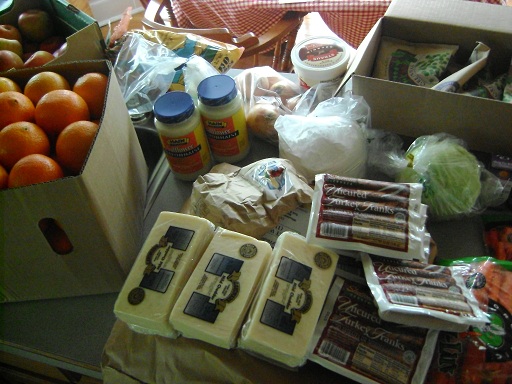
Here’s a sample of what our food co-op order looks like.

We order food online.

Ordering groceries online has been an incredible help and money saver for us. Not only has this been super convenient, it saves us money and gives us all kinds of wonderful whole food options – right at our fingertips. And having groceries delivered to our front porch – it does not get any easier than that! Tropical Traditions, VitaCost, Mountain Rose Herbs, Cultures for Health, and Amazon
are our favorite go-to online resources. We watch for sales and free shipping deals, and have learned the best way to get good prices while shopping online. Here is a detailed list of what food we purchase from each of these online resources.

We buy food from local farmers.

We are blessed to have friends and farmers around us who raise animals in a way we appreciate (grass fed, free range, no hormones or antibiotics, etc). Our eggs, milk, beef, lamb, and chicken all come from sources close-by. North Star Neighbors is located a bit far away compared to our milk and eggs sources, but our town happens to be right on their delivery route. Yep, for a small delivery fee, North Star Neighbors delivers meat right to our doorstep. We pick up our milk and eggs once a week from friends. In addition, we take advantage of our farmer’s market each summer and fall. If you’re looking for local healthy food options, I encourage you to check out LocalHarvest.org to see what resources are available where you live. Also, start asking around to others who you find are interested in healthy eating to see what their food sources are. You might get a few crazy stares from people, but hey, you might also find out who sells raw milk or grass fed beef in your area!

We grow food in our own garden.

Our garden provides us with green beans, tomatoes (for sauce and soup), peppers, potatoes, corn, and a variety of other yummy foods that are simple to preserve. Also, if we don’t have space to grow something, but others around us do, we aren’t afraid to make a trade or work out some sort of deal in exchange for picking some produce in their garden or on their fruit trees. Again, it never hurts to ask! Often, we get garden/tree produce for free when people have an abundance. Then, we get to work, canning, freezing and dehydrating all the produce. Here are all of my posts detailing what and how we preserve foods.

We work with our local grocery stores to special order food.

Have I mentioned that it never hurts to ask? In the past, we’ve talked to our local grocer about special ordering cases of food for us, and they’ve been happy to accomodate. They have even given us a good deal on these purchases since they know that since we’re buying the entire case, none of that food will spoil on the shelves.

grandcentralordersm.JPG

As always, remember that we are all different, our food sources are all different, and we all have different family sizes and budget amounts. We’re all on the same team here, just looking for ways to encourage one another on our healthy eating journeys.

What are the best healthy food options where you live? Have you found ways to think outside the box when it comes to whole food purchases?

Heavenly Homemaker's Club Members: Access your homepage and all your fantastic resources here! Not a member yet? Please join us!

Is It Expensive to Eat Healthy Food? Part Two

January 24, 2012 by Laura 37 Comments

This post may contain affiliate links. For more information, please see our disclosure policy.

Be sure to read Is It Expensive to Eat Healthy Food, Part One if you missed it!

As you consider your grocery budget, and try to make changes in your diet so that you can eat healthier without breaking the bank, here are three important things to consider:

1. Transitioning to Healthy Eating is a Process

If you’re looking to replace every single not so good ingredient in your kitchen with all of the best, healthiest, organic, free range, grass fed, yada yada ingredients, all at the same time – yep, you’re looking at a hefty price tag right from the get-go. Why not take a step back, make a list of changes you’d like to make, then prioritize them and start making small changes – one at a time? What changes can you make that will help you feel better about feeding your family, but that might not hit so hard on the pocket book? Read through this Simple Steps to Healthy Eating Series for some ideas to get you started. But don’t feel like you need to take all the steps at once. Any small step you take puts you on the road toward healthier eating. Some of those steps might just not cost much at all.  And some might actually save you money. How ’bout that?

2. There’s Not a “One Size Fits All” Plan for Eating Healthy

What works for our family may not work for your family. My food resources are likely to be much different from your food resources. The cost of food where I live may be much different from the cost where you live. I’ve heard of free range eggs costing people all the way from $1.00 per dozen to $8.00 per dozen. I’ve gotta say, if free range eggs cost me $8.00 per dozen, I’m pretty sure we’d eat very few eggs and I’d simply buy the regular, cheap ones from the store to use when I bake. Thankfully, I’m blessed to get free range eggs for just $2.50/dozen – a great price if you ask me!

Each family has a different amount to spend on groceries each month. Every family has different dietary needs. Every family has different circumstances. There is no “perfect dollar amount” standard for how much any of us should be spending on healthy food.

I shared more on this subject in this post:  “No Grocery Budget Comparing Allowed”.

3. God is in Control and He Knows Your Heart

No matter what you buy, how much you spend, what you eat, or how you eat it – your choices can honor the One who provides for our every need. If you aren’t blessed to find free range chicken that doesn’t cost the same as your mortgage, you will still honor God and your family by eating a regular ol’ chicken. At the risk of sounding goofy and sacrilegious – God can bless your chicken whether it’s free range or not. God wants us to be wise stewards of our resources and to simply do the best we can with what we have. He knows our individual circumstances and He knows our heart. He understands our desire to do what is right for our family and He will provide what we need to do just that.

Don’t leave God out of the picture and think that you must be the one doing a perfect job selecting, purchasing, and preparing food. God’s gotcha covered. Do not be so focused on trying to make healthy food choices that you lose sight of the One who matters most.

No matter where you are on your healthy eating journey – no matter where you land on specific dietary choices for yourself and for your family, God can and will be glorified.

And that, my friends, is what it’s all about.

What would you consider your biggest struggle in regard to the expense of eating a healthy diet?

Heavenly Homemaker's Club Members: Access your homepage and all your fantastic resources here! Not a member yet? Please join us!

Is It Expensive to Eat Healthy Food? Part One

January 22, 2012 by Laura 118 Comments

This post may contain affiliate links. For more information, please see our disclosure policy.

As we dive into our No More Excuses series, I decided to first tackle the excuse that it is “expensive to eat healthy food”. This one seems to be the most popular complaint among those of us who are working to eat and feed our families a healthy diet. I ended up with so much to say on this topic, I divided the material into three separate posts that I will be sharing throughout the week.

To begin part one of these posts regarding the thought that “healthy food is too expensive”, let me just start out by saying, “I hear ya!”. That was my biggest complaint too, my loudest excuse, and one of the main reasons I didn’t think eating a healthy diet was possible for our family. After all, I’m the girl who used to get everything for free or cheap with coupons. The thought of actually spending money on food was painful to me when we started our healthy eating journey. I had no idea where the extra money for healthy food would come from in our already very tight budget.

After lots and lots of research, experimentation, and tweaking of our budget, we finally figured out how to make this work for our family. Ultimately, I had to surrender and let go of the idea that spending money on food was bad, and instead embrace the truth that spending money on good, nourishing food is a wise investment for our family.

But still, it is a fact that coconut oil and olive oil cost more than canola oil and crisco. Real butter costs more than margarine. Whole wheat pasta and real cheese costs more than a box of mac and cheese.

So, does that mean that healthy eating is indeed expensive? I think it’s a matter of perspective. Our grocery budget has definitely gone up since we began our healthy eating journey. The way I cook now is completely different than the way I cooked when I bought processed and unhealthy foods with coupons, but does that mean that our healthy food should be considered expensive?

Pardon my geekiness spewing forth, but just as I did a few years ago, I did a new break down of what it costs to feed my family on an average day. I think it’s very interesting to take a nitty-gritty look at what it costs us to feed one person per day, and to analyze that number to see if in fact I could or should cut back our budget in any way.

We currently spend about $600/month on food. Because there are six in our family, this means that we spend about $100/person/month. This divides into an average of $3.33/day/person, which means that it costs about $1.11 per person per meal.

I don’t think $1.11/meal/person is very expensive, but that’s just my opinion, and as I said earlier, it is a matter of perspective.

As always, remember that there is no comparing or guilt allowed. If you spend more than $1.11 per meal per person – great! If you spend less than that – great! If you could come help me clean my house – great! Oh wait, sorry. I got carried away there for a second. ;)

Above all, we all need to remember that we are all humble people, working to do the best we can with what we have. I feel like there’s a lot left unsaid in this post regarding the expense of healthy food, so stay tuned! In part two of this mini series on Wednesday, I’ll share thoughts on the following three points:

1)Transitioning to Healthy Eating is a Process. 2) There’s Not a “One Size Fits All” Plan for Eating Healthy. 3) God is in Control and He Knows Your Heart

Then, I’ll wrap up the week by sharing some practical ways to eat a healthy, whole foods diet while keeping your costs low.

For today, I’d love to hear a little about your grocery budget break-down. Join my geekiness and do the math. If you care to share, how much do you estimate that it costs to feed one person in your household for each meal?

If you’re concerned that you may be spending too much on food,
I’d encourage you to read this post:  Do You Need to Cut the Grocery Budget?

I’d also like to encourage you to check out Once a Month Mom’s Get Real 2012!

Heavenly Homemaker's Club Members: Access your homepage and all your fantastic resources here! Not a member yet? Please join us!

Eating Out Less

August 29, 2010 by Laura 48 Comments

This post may contain affiliate links. For more information, please see our disclosure policy.

simplesteps

Here’s what I’ve decided as I’m writing the Simple Steps Toward Healthy Eating series:  These steps can be taken in any order. There is not necessarily one step that should come before any of the others (except perhaps deciding that you need to take steps??!)

If you find yourself stumped as to where to start on your healthy eating journey, read through the Simple Steps posts I’ve written so far…and just pick something. You might start with drinking more water (and less soda or juice). You might start by eating an extra piece of fruit each day. You might start by eating out less (like we’ll talk about today). The point is that you start.  Pick something, set a goal and work toward it. Once you’ve accomplished that step, take another step. Go at a pace that works well for you. You can do this!

Okay, now let’s talk about eating out less. 

I did actually address this topic quite a while ago, so I would like to suggest you go read what I wrote previously too! The thing is…eating out is addicting. I have found that the more I eat out, the more I want to eat out. Or should I say…the less I eat out, the less I want to eat out.

I used to crave it. I used to sit at home dreaming of french fries from my favorite restaurant. I used to go out of my way to find a chance (or a few dollars) to eat out. And of course, I’d take big time advantage of the free Pepsi refills!!!

It’s amazing how the additives in fast food restaurants (and beyond) make your body crave more. And I don’t think I need to tell you that food from restaurants is hardly ever good for us? Do I need to say that? Okay, here I’ll say it:  The food from restaurants is usually rancid, poor quality, full of MSG, fried in nasty oils… Should I go on? 

How about expensive? In my experience, eating out costs more than eating at home, no matter what kind of value menu you order from or coupons you use. If you’re having a hard time figuring out how you can afford to eat healthy foods, you may find you have extra money for good groceries if you eat out less.

Now, am I suggesting that you don’t eat out at all? No, of course not. Sometimes it’s a necessity. Sometimes it’s a treat. Sometimes it’s fun. Our family enjoys the very occasional dinner out…and sometimes I go out and have a nice lunch with a girlfriend. Eating out isn’t evil…I’m just suggesting that as a step toward healthier eating…you may want to look into eating out less often.

You’ll save money and I promise that even if you aren’t eating the absolute best foods at home, eating at home is still better for you (generally) than eating out.

Okay, those are my thoughts. What are your thoughts about eating out? Do you find yourself wanting to eat out often? Have you ever craved certain fast food or restaurant food?

Heavenly Homemaker's Club Members: Access your homepage and all your fantastic resources here! Not a member yet? Please join us!
« Previous Page

Join Our Community!

 Facebook Twitter E-mail Instagram Pinterest

Popular Posts

~ Will All of the Real Moms Please Stand Up?
~ Easy! Stir-and-Pour Whole Wheat Bread
~ How to Make Gatorade
~ 31 Real Food Breakfast Ideas
~ Dear Teenage Girls...
~ When Mom Takes a Step Back
~ The Inexpensive Health Insurance We Love!
~ Let's Talk Real Food Grocery Budgets

Check out our latest posts!

  • Big Family Food and Fun: May 10-16, 2026
  • Big Family Food and Fun: May 3-9, 2026
  • Help Your Kids Become Independent in the Kitchen!
  • Big Family Food and Fun: April 26-May 2, 2026
  • Big Family Food and Fun: April 19-25, 2026
Home  ~  Simple Meals  ~  Club Membership  ~  Shop  ~  Privacy Policy  ~  Disclosure  ~ Contact

Copyright © 2026 · Beautiful Pro Theme on Genesis Framework · WordPress · Log in