Heavenly Homemakers

Encouraging women in homemaking, healthy eating and parenting

  • Home
    • About
    • FAQs
  • Recipes
    • Bread and Breakfast
    • Condiments
    • Dairy
    • Main Dishes
    • Side Dishes and Snacks
    • Desserts
    • Gluten Free
    • Instant Pot
    • Crock Pot
    • Heavenly Homemaker’s Weekly Menus
  • Homemaking
    • Real Food Sources
  • Store
  • Contact
    • Advertise
    • Disclosure
    • Privacy Policy
  • Simple Meals
  • Club Members!

Does Organic Food Make a Difference? (a guest post)

August 17, 2011 by Laura 20 Comments

This post may contain affiliate links. For more information, please see our disclosure policy.

Welcome guest poster Carrie Vitt, author of the cookbook Deliciously Organic and publisher of popular food blog, Deliciously Organic. Carrie focuses on recipes using unprocessed, organic ingredients with vibrant flavors and simple dishes everyone will love. She is the wife of an Air Force Test Pilot and mother of two daughters.
If you had two girls under the age of two, and your husband, a fighter pilot, was flying cover during a war in Iraq – would you be thinking about converting your diet to organic, whole foods? I wasn’t. My life had enough stress without another distraction. But that’s what happened in 2003.

Two years earlier, after the birth of my second daughter, I began having daily migraines. I was 25. As migraines often are, they were both baffling and debilitating. I often had to lie down in a quiet dark room, which was almost impossible with toddlers to care for.

I was taking several medications to manage the pain. After two years of struggle, my neurologist suggested adding yet another daily medication to my prescription regimen, a treatment that wasn’t working anyway. I kindly rejected her suggestion and drove home thinking:  There must be another way.
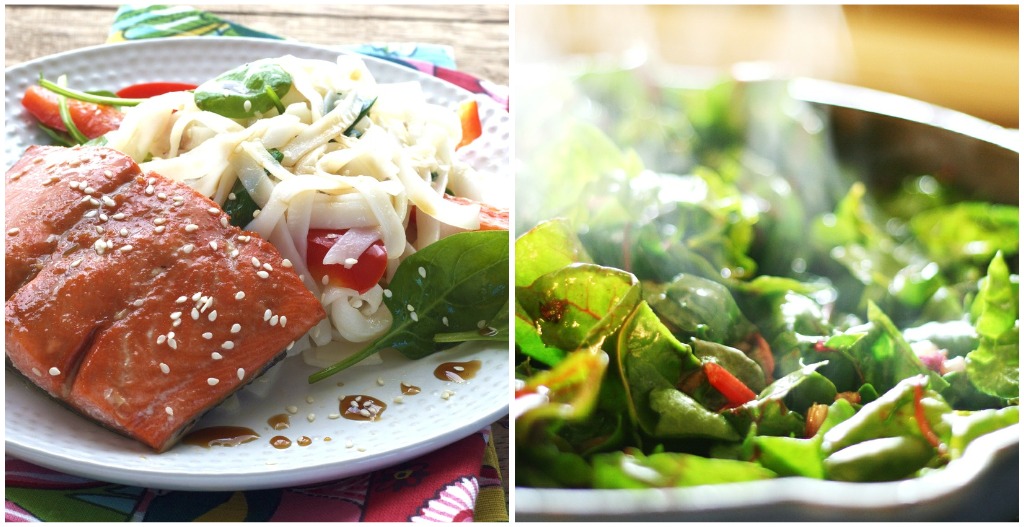
That same day, a tiny newsletter article caught my eye. It was about the benefits of organic foods. I knew migraines could be related to diet, so I wondered if changing to organic foods might help. I was at the end of my rope and willing to try something different.

At the time, I was eating lots of vegetables to lose the last 10 pounds of baby weight. I replaced my lettuce with organic – my first step, since lettuce was a food I ate most. Within a week I noticed a significant difference. The frequency of my migraines decreased and it was now easier to take care of my kids. I didn’t need any more encouragement. I next switched all produce to organic with the intent of increasing the amount of pure and untreated food in my diet, while decreasing my pesticide intake. As I dug deeper and learned more, I continued making changes in my pantry and refrigerator.

Over the next year and a half, I converted my family’s diet to whole, unprocessed organic ingredients. I felt like a stranger in a strange land. I had a hard time finding recipes that were equivalent in flavor to what we were accustomed to. Nevertheless, I avoided such ingredients as white sugar, white flour and partially hydrogenated anything. Recipes using whole grains were especially challenging. We weren’t ready to leave the world of paninis, pasta and pizza. As my husband likes to say, “We ate some terrible pancakes during the transition.” This was disheartening because I had grown up with a great love for cooking that I inherited from the women in my family.

I decided that if we were going to eat organic dishes, they were going to taste every bit as delicious as the ones I used before.
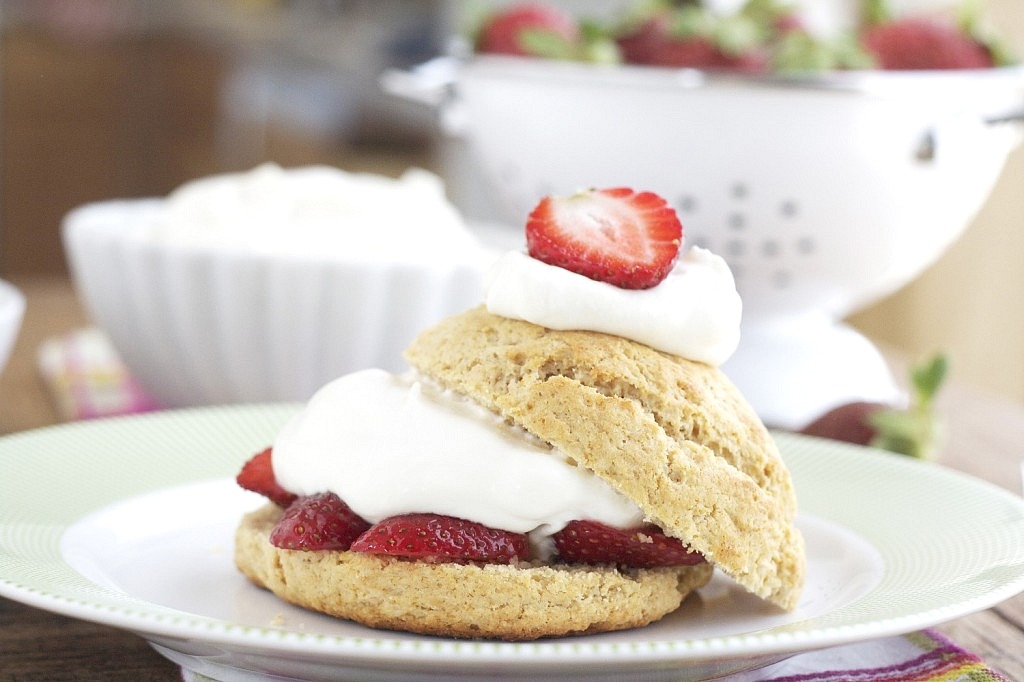
Over time, I shared with my friends and family how I overcame my health problems. Many were earnestly interested in learning more or in making changes to their own diets. I continued to tell my story, share my recipes and give encouragement through my blog, Deliciously Organic and my recently published cookbook, Deliciously Organic.

Through organic, unprocessed food our family of four was able to overcome severe asthma, eczema, IBS and migraines. No drugs – just good, natural real food.

If organic, whole foods are something you’ve thought about, I encourage you to give it a try. I hope you’ll discover, as I have, that eating food direct from the source is not only perfectly doable and beneficial but perfectly delicious! And don’t be surprised when your friends and the whole family (including the kids) say, “I can’t believe this is organic. It’s delicious!”

 

Heavenly Homemaker's Club Members: Access your homepage and all your fantastic resources here! Not a member yet? Please join us!

What to Do with Coconut Oil

July 5, 2011 by Laura 91 Comments

This post may contain affiliate links. For more information, please see our disclosure policy.

I’m always sharing good deals on coconut oil, telling you how nutritious coconut oil is, encouraging you to try coconut oil.

Many have asked what I suggest that you do with your coconut oil once you buy it. Here are a few of my favorite ways to use coconut oil:

~Apply Coconut Oil to your Skin – Sometimes I rub it on my face or hands if I have dry patches. It is especially soothing and healing after a sunburn. If ever we accidentally stay in the sun too long, we slather our skin with coconut oil. It’s incredibly soothing, plus helps keep us from peeling.

~Use Coconut Oil to Make Popcorn – This is probably our favorite use for coconut oil. Sometimes we pop our corn on the stove using melted coconut oil in a pot with the popcorn. But, since we have an Air-Popper, we usually use that. The boys pop the corn in the Air Popper, then we pour melted coconut oil and sea salt over the bowl. SO yummy.

~Make Granola Bars – Coconut oil is fantastic in these Chewy Granola Bars. Because it is a solid oil, once it is stirred into these granola bars and they are allowed to cool, the coconut oil keeps the bars from being too soft and squishy. Plus, the coconut oil gives them a delicious flavor!

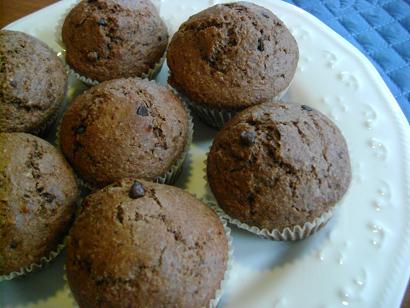
~Stir Coconut Oil into Muffins – For just about all of my muffin recipes now, I use coconut oil instead of butter. It works wonderfully and the flavor of the muffins is fantastic.

chocolatechocolatechipmuffinssm

~Subtitute Coconut Oil for Butter when Baking Dairy Free – When we’ve needed to bake for someone who has to eat a dairy free diet, coconut oil is our fat of choice. It almost always substitutes for butter when baking. (Check out these Dairy Free Gluten Free Muffins that use coconut oil!)

~Bake Cakes with Coconut Oil – Coconut Oil is great used in just about any cake recipe.

~Fry Foods – Coconut Oil is a very stable oil, which means that it can be heated to very high temperatures and not become rancid or bad for you. This means that you can fry foods in coconut oil and still be healthy!!! I prefer to fry foods in Expeller Pressed Coconut Oil instead of Virgin Coconut Oil, as the expeller pressed coconut oil is flavorless. I love the coconut flavor Virgin Coconut Oil provides in muffins and granola bars, but I don’t really like my Chicken Fried Steak Strips to taste like coconut. Therefore, I use Expeller Pressed coconut oil for frying.

To learn more about where to buy coconut oil, how healthy coconut oil is, the flavors and qualities of coconut oil…read this post:  Coconut Oil:  Why it is Good for You and Where to Buy it.

Please share your favorite ways to use coconut oil!

Heavenly Homemaker's Club Members: Access your homepage and all your fantastic resources here! Not a member yet? Please join us!

Should I Eat Organic Food? (part four)

June 5, 2011 by Laura 42 Comments

This post may contain affiliate links. For more information, please see our disclosure policy.

simplesteps

Be sure to read Part One and Part Two and Part Three of this mini-series if you missed them!

If you’re new to healthy eating, I’d probably recommend that you SKIP this post! :)  It can be a bit overwhelming to think of making all these changes. Instead, I encourage you to follow this link, then scroll down to the very beginning of this section of posts where you will find very basic tips on starting to eat a healthier diet!

Today, I’d like to share the foods I feel should be a higher focus for organic purchasing and eating. Please be reminded of my Organic Food Disclaimer and how I don’t think non-organic farmers are evil and all that stuff.

First let me share the list of Produce I try to purchase organically if possible. According to Organic.org, the produce which contains the HIGHEST amounts of pesticides are:  Peaches , Apples, Sweet Bell Peppers, Celery, Nectarines, Strawberries, Cherries, Pears, Grapes (imported), Spinach, Lettuce and Potatoes. Fruit Wash does help remove some pesticides, but it is my understanding that the pesticides are not only on the skin of the fruit or vegetable, but also inside the fruit or vegetable, especially in the above listed foods.

Other fruits and vegetables I do purchase organically if possible, but if I don’t have a ready source, I don’t sweat it. I almost never buy organic bananas, avocados, watermelon, oranges or pineapple because their skins are so thick and they are quite low on the pesticide list!

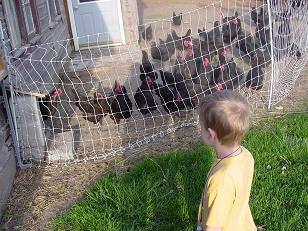
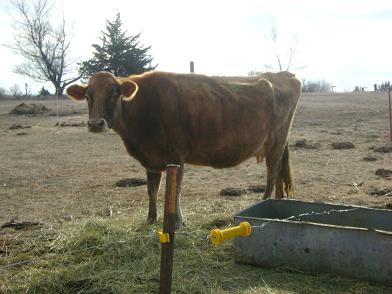
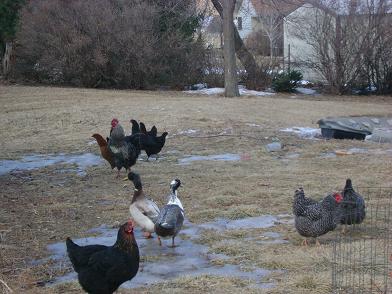
Beyond produce, I highly recommend that you look into organic Milk and Meat and Eggs from sources you trust. Our family prefers to drink raw milk from cows that are pasture fed. We also prefer our meat and eggs to come from animals that are allowed to roam freely on pasture.

chickens1sm.JPG

Why? Well, most conventionally raised cows are fed a less than stellar diet of GMO grains, when really, their stomachs were designed to eat grass. In addition, they are usually raised in crowded feedlots and given several rounds of antibiotics to help them survive those crowded feedlots. They are often also given steroids to make their meat more tender. Those antibiotics and steroids become a part of the milk or meat, which means that if we eat (or drink) from these sources, we are ingesting them too. (Here is an article with great information about why Grass Fed is best.)

annesfarm3sm.JPG

Conventionally raised chickens are usually cooped up in tight quarters and never allowed to free roam and peck around and do all the normal things God created chickens to do (including but not limited to attacking their egg gatherer – ah, what a memory). Chickens are also often given antibiotics to protect from infection due to their living conditions. (source)

annesfarm1sm1.JPG

Last but not least, let’s talk about Grains. If at all possible, I encourage you to find organic or “chemical free” grains. Conventionally grown grains are almost always genetically modified (GMO), making them a completely different food than their original little selves. Legumes fall into this same category. Of all the organic food I place as a priority, Grains are the highest. Organic grains are not GMO, making them much safer to eat. I found this page on Seeds of Deception to be very helpful in talking about which foods are usually GMO and best to avoid.

It’s important for me to note that not all organic farmers have an organic certification. The farms around here where I purchase my milk, beef, chickens and eggs are actually NOT “certified organic”. It costs quite a bit of money to acquire and maintain an organic certification, so some farmers choose not to go that route. However, after visiting with these farmers I purchase from, I know that all of them are truly organic, just without the label. It saves them money and it saves me money for them to not have the “organic label”. Does this make sense? (Local Harvest is a great resource for finding locally raised, healthy animals.)

This wraps up my Should I Eat Organic Food? series. I’ll now be moving on to share more about my pantry and freezers, compiling big lists of all my favorite foods to buy. Plus, I plan to share more about how I buy food in bulk, store my bulk food and afford bulk food.

Are there some other questions you have regarding organic food that I forgot to talk about? Did you ever read about my very scary  free range rooster encounter? I’m still not over it.


Heavenly Homemaker's Club Members: Access your homepage and all your fantastic resources here! Not a member yet? Please join us!

Should I Eat Organic Food? (part three)

May 29, 2011 by Laura 13 Comments

This post may contain affiliate links. For more information, please see our disclosure policy.

simplesteps

Disclaimer:   I know and love many farmers who do not raise their crops or animals organically. I do not think these people are evil, so there. I’m not going to say that eating organic food is the ONLY WAY and the BEST WAY. I’m just sharing a bit of my knowledge based on research, but not based on my own expertise. The only thing I’m an expert on is running into walls when I’m tired. So read these posts and do with them whatever you want to do with them. Research organic practices on your own before reaching any conclusions. And be sure to watch out for walls when you’re tired.

Be sure to read Part One and Part Two of this series if you missed them!

What does the “Organic” Food label mean, anyway?

Organic foods are foods that:

  • Are grown or made without synthetic pesticides or chemical fertilizers
  • Do not contain genetically modified organisms (GMOs)
  • Are not processed using irradiation
  • Do not have chemical food additives

Why do I feel like eating organic food is important?

I like knowing that much of my food has been raised in a safe environment. I appreciate that organic farmers are being careful to sustain healthy soil and water. I appreciate that the food I offer my children is less toxic than some non-organic foods. I like knowing that our food is non GMO, as in, our food is real. Genetically modified food is scary and our bodies don’t like it. In addition, I like knowing that my food has not gone through the process of irradiation, which is essentially done to make it last longer on the shelves and to kill bacteria. Ever had fresh vegetables last forever in the fridge without changing colors or getting yucky? Chances are it was irradiated. (Fresh food is supposed to spoil, not last forever in your fridge, by the way.)

Is it worth it to pay more money for organic food?

That depends on what it is, and I’ll talk more about that in the next post. BUT, I guarantee you that raising food organically costs more than raising food conventionally. Therefore, if you trust the provider of your food, and are convinced that you need to eat an organic variety of that particular food, then YES it is usually worth it to pay more for organic food because you are paying for much higher quality food. For instance, I don’t mind paying more for Organically Grown Nuts. We actually visited Braga Farm, our favorite source for organic nuts,  and learned about their practices and saw how they do things. After this tour, their prices seemed completely reasonable to me. We can’t expect someone to work extra hard and not be compensated for it. I also don’t mind paying more for our eggs, meat and milk because I trust the people raising these animals and the quality of the food we get from them is excellent!

When is it NOT worth it to pay more for organic food?

Well, as organic food has become more popular and more “in demand”, I see more and more “organic processed foods”. It’s pretty tough for me to pay $3.75 for a package of six Organic Cookies. Most of these organic processed foods do at least contain better ingredients than their non-organic counterparts, but not always. Just because something has an organic label doesn’t necessarily mean it’s healthy. Healthy-er, maybe. But offering much nourishment? Maybe not. Might it be a fun option for a treat sometime? Sure. But don’t get sucked into buying something just because it’s organic. ;)

Do your homework. Don’t pay more or buy into the “all natural” or “organic” label always being better. There’s this little tool called the internet that is very helpful in researching companies to see what they stand for. Hey, what a great time to use the Swagbuck search engine. :)  Or, if it’s a local farm you’re looking to buy from, ask lots of questions about how they raise their crops and animals before you decide if it’s worth it to pay more for their food.

Coming up next in this series:  Which foods are the most important for organic purchasing (and which ones can I skip)?

Heavenly Homemaker's Club Members: Access your homepage and all your fantastic resources here! Not a member yet? Please join us!

Homemade Sourdough Pita Bread (and the best lunch ever)

May 26, 2011 by Laura 21 Comments

This post may contain affiliate links. For more information, please see our disclosure policy.

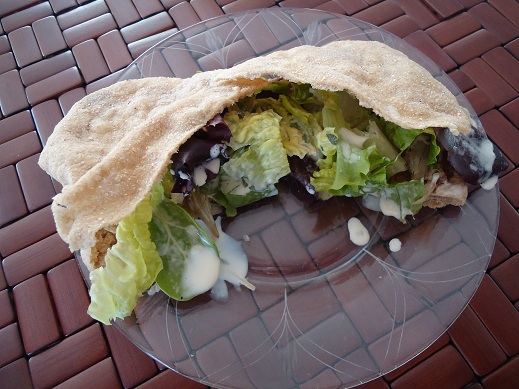
In case I haven’t shown my sourdough excitement to you enough, I thought maybe I should show you the sourdough pita pockets I made last week. I’ve made a lot of cool things in my kitchen, but these pitas are about the coolest things ever.

I used the easy recipe in the Sourdough A to Z eBook from GNOWFGLINS. You just follow their simple directions for no-knead sourdough, shape the dough into flat disks, bake them for just a few minutes – then they poof up in the oven and come out a pita pocket. All of us were standing by the oven watching the poof happen. Who needs TV when you can watch a pita bread poof up in the oven?

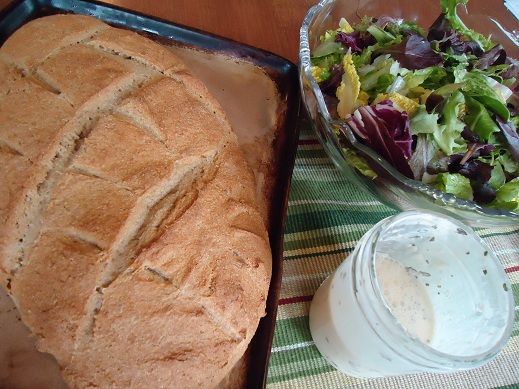
We’ve had these pitas with tuna salad, scrambled eggs, and wowza, Matt put together the most delicious Ranch Chicken Pita using leftover chicken, homemade ranch dressing and mixed greens. If only we would have had a fresh tomato from the garden!

Unrelated to pita bread, but on the topic of sourdough bread, mixed greens and homemade ranch dressing:  Another day last week I used my sourdough starter to make this gorgeous loaf of no-knead sourdough bread, which we ate with a big salad.

Sourdough A to Z eBook rocks- it is worth every penny. So far, following the book, I’ve made sourdough English muffins, honey wheat bread, breakfast muffins, no-knead bread and now pita bread. Between making fizz and souring my dough, I’m making great use of all the healthy, live bacteria in my kitchen. Science experiments never tasted so good!

What would you/do you put in your pita bread?


Heavenly Homemaker's Club Members: Access your homepage and all your fantastic resources here! Not a member yet? Please join us!

I Did It! I Made Fizzy Water Kefir Soda!

May 24, 2011 by Laura 43 Comments

This post may contain affiliate links. For more information, please see our disclosure policy.

The winner of the Water Kefir Grains from Cultures for Health is:
Jane Gram  (janegram13@)
Jane, email me with your address and I’ll
forward it on to Cultures for Health for your prize!


Pardon the insanity of this post, although I would imagine that you’re used to my craziness by now, right? You already know that I am obsessed with jars, that I buy hundreds of pounds of wheat at one time and that I love my butter and cream. But did you know that I also really love fizz?


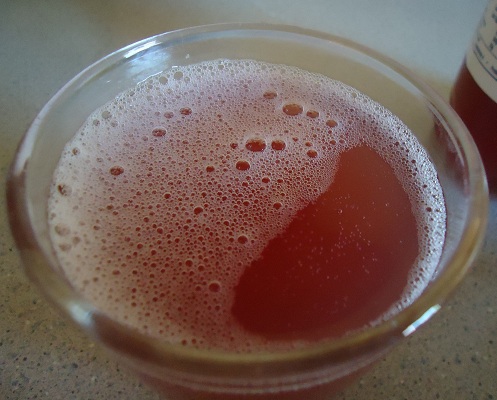
You might have had a clue that fizz is my friend if you remember my former Pepsi addiction. After I gave up Pepsi, I’ve really missed the fizz, which led me to figure out some healthier alternatives to soda. But healthier yet is making water kefir soda, which not only has fizz…it’s wonderful for your digestion!


If you want a little fizz in your life and you also want a healthy gut, try making water kefir soda!!! It’s inexpensive, easy and look…there’s lots and lots of fizz!!


If you’re not a big fan of fizz, you can still use Water Kefir Grains to make a very healthy digestive drink, just don’t allow it to become fizzy. I’ll work on a post in the future with a step by step picture tutorial of how to make water kefir, but really, if you get the water kefir grains starter kit, all of the instructions are right there and very simple to follow.


Now, just to prove that you can make an incredible amount of fizz with homemade water kefir soda, I took a short video of my fizz. I could have captured one of my children doing something amazing on the soccer field to show you, but no. Instead, I made a movie of my fizz. Be sure to turn your volume up so that you can hear the fizz doing it’s fizzy magic.

Weren’t the bubbles beautiful?


So how about the taste of this grape water kefir soda? Eh, it’s gonna need to grow on me a little bit. I can’t say that I just love how it tastes. But it’s not bad, and because I know it’s so good for me and because of all the wonderful fizz, I am drinking it happily.


Do you love fizz, or would you rather a drink be free of bubbles? Fizz lovers, seriously, it’s all about the burn, is it not?


You can find a very reasonably priced Water Kefir Grains Kit through Cultures for Health. If you purchase through this link, I’ll earn a small percentage of that purchase. But that’s not the reason I’m telling you about this great product. It’s about healthy digestion, and of course, it’s really all about the fizz.
Heavenly Homemaker's Club Members: Access your homepage and all your fantastic resources here! Not a member yet? Please join us!

Should I Eat Organic Food? (Part Two)

May 22, 2011 by Laura 34 Comments

This post may contain affiliate links. For more information, please see our disclosure policy.

simplesteps

If you recall, I am writing a series within a series to explain my thoughts on eating organic food, while encouraging you to take simple steps toward healthy eating. In addition, I need to discuss an issue within an issue, which is very important to cover in this series within the series. ;)

What I need to emphasize is this:  Whether or not you ever decide to eat organic foods, whether or not you ever feel like organic food is a priority, whether or not you feel like you can afford organic food, no matter where you land on the organic food issue…

None of that is as important as focusing on eating REAL FOOD.

I do feel like it is important to look for healthy food sources. I do feel like organic food is best in many instances. I do feel like we should be wise stewards with the bodies God gave us and work to treat our bodies with great care. I’m writing about eating organic foods because it is obviously important to me.

But if  you come away with after reading any of my posts feeling like the definition of “eating healthy” means that “you must eat organic food”, then I haven’t done a very good job of explaining myself.

My reasons for writing these posts about organic foods is simply to answer questions you’ve had about whether or not organic food is important. I think it IS important…but not as important as all of us learning to skip processed, dead, nutrient void food and learning to eat real food.

What am I really trying to say here? If all you change about your diet is to eat out less and eat fewer of the processed foods that are slowly destroying your insides, then you are very much on the right track. If at the very least, you stop eating so many nutrient void “foods”, and start eating more real, whole foods – organic or not – you are going to be so much healthier.

Yes, in my big priority list of Simple Steps Toward Healthy Eating, “buy and eat organic food” doesn’t rank nearly as high as my advice to “just eat real, whole foods”.

If my family was in a situation where there was no organic food available or accessible at all, if there were no grass fed or free range animals, if I couldn’t order food off the internet, if my options were completely limited…I’d simply focus on feeding my family basic, real foods. I’d probably go easier on the meat and dairy (because I really only feel good about eating/drinking animal products from healthy sources), but otherwise, we’d just focus on eating real foods:  fruits, vegetables, beans, rice, grains, meat, dairy and pasta. (And coconut oil. I’d really break my back to get some coconut oil.)

I wouldn’t love it and I wouldn’t feel great about it, but if truly that’s all I could do, that’s what I would do.

More important to me than eating organic foods is to avoid high fructose corn syrup, hydrogenated oils, MSG, food coloring and artificial flavors.

granola_bars_3

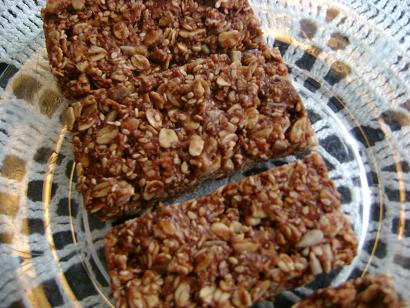
Homemade Chewy Granola Bars – easy to make, made with real foods, super delicious!

So there you go. Those are my thoughts.

Now, if you do have organic, free range, grass fed, locally grown, yada yada food available to you (and I would venture to say that most of us do) then I encourage you to look further into these options. That’s what this series within the series is about after all. :)  But overall and above all and absolutely positively, focus first on eating Real Food.

What are your thoughts on this topic?

Coming up next week in this series:  What does “organic” mean – Why I feel like organic food is important – Is it worth it to pay more for organic food?


Heavenly Homemaker's Club Members: Access your homepage and all your fantastic resources here! Not a member yet? Please join us!

Should I Eat Organic Food? (part one)

May 15, 2011 by Laura 45 Comments

This post may contain affiliate links. For more information, please see our disclosure policy.

simplesteps

Whenever I have mentioned that our family eats mostly organic foods, many of you have asked:  Is it worth it to pay extra money for organic food? Is eating organic food really that important? Is non-organic food really so bad for you? And really…isn’t this whole “organic eating thing” just kind of trendy and gimmicky?

After much research and thought, my answers to those questions are:  Sometimes, Sometimes, Sometimes and Sort Of But Not Necessarily.

Okay, so did that clear up any confusion? Good. Now what questions would you like me to answer?

azurenov092sm

Just kidding. I’ll elaborate. I’m definitely not an organic food expert, but our family has been trying to eat a whole foods and mostly organic diet for about six years now, and I really wouldn’t be doing it if I didn’t feel like it was important. We also don’t have unlimited funds in our budget, so don’t assume we eat organic, whole foods because we’re rolling in dough. (Unless you’re talking about bread dough, because then occasionally I’m rolling in it.)

The fact that eating organic food is “trendy” in some areas was big news to me. Where I live, eating organic food is not very popular and pretty much not the norm. Therefore, my very uneducated and inexperienced opinion on why many see organic eating as a trend is that not everyone who buys and eats organic food “gets it”. They might just see it as “the thing to do” and feel  like if the package says “natural” or “organic” is must be better for you.

I personally am not an advocate of eating organic, whole foods (or doing anything for that matter) simply because “everyone else is doing it”. What a silly reason for me to go out of my way to find healthy foods. I try to feed my family organic, whole foods because my extensive research tells me that this is best. For the record, there are many foods with an organic label that I do not recommend. (I’ll elaborate on that soon.)

When I mentioned in this post that I wasn’t sure I felt that eating a non-organic apple was better than eating no apples at all…I really am not convinced that it is as a general rule. Some suggested that they’d rather feed their kids a non-organic apple than a bag of chips. Well sure. But I wasn’t comparing apples to chips. I was suggesting that maybe I should skip the non-organic apple and just stick with in-season organic produce instead. I have my reasons. I’ll talk about them in the next few posts in this series.

And then there’s milk and meat and grains. Those subjects deserve to be talked about a little bit too.

Thus begins a little series inside a series. (Did this just get complicated?)  I’ve been working slowly but surely through this Simple Steps Toward Healthy Eating series, and now within that series, I’ll be writing a few posts entitled, “Should I Eat Organic Food?”

See? It’s a series inside a series. While you wait for these posts, I’d appreciate it if you go back and read some of my other series, which means that this is a series inside of a series inside of a series.

By the way, did you know that the plural form of the word series is series? I find that funny. Not laugh-out-loud funny, but the kind of funny that makes a person shrug and say, “Huh, how ’bout that?”.

Yeah, okay, it’s really not that funny.

Anyway, you may want to read the following series:  Feeding the Family, particularly these posts:

  • Our Real Foods 2011 Grocery Budget
  • No Grocery Budget Comparing Allowed!
  • Very Limited Income for Real Food Purchases
  • Do You NEED To Cut the Grocery Budget?
  • Ways to Stretch the Real Foods Grocery Budget

You should also read this series:  Our Healthy Eating Journey so that you know where I’m coming from.

Also, you need to be reminded that with all of my talk about healthy eating, sometimes our family throws out all the great organic, whole foods ideas and buys frozen pizza rolls with all the no-no ingredients in them. It’s called a compromise and I don’t freak out about it. (Nor, ultimately, do I freak out about the occasional non-organic apple, but again, I’ll get back to that within this series.)

Stay tuned for the following topics within this series of series:

  • What  does organic even mean anyway?
  • Which foods should I focus on for eating organic?
  • What if I can’t afford organic food or have any resources close by?

I’ll be posting the next post in this “organic food series” next Sunday night. Until then, I’ll leave you with this question:  Do you eat mostly organic food, some organic food, no organic food?

Also, the particular word series that I printed in green above, is it singular or plural? Yeah, see? Very tricky. And a little bit funny. But not really.

Heavenly Homemaker's Club Members: Access your homepage and all your fantastic resources here! Not a member yet? Please join us!

Where to Buy Organic Nuts in Bulk

March 8, 2011 by Laura 33 Comments

This post may contain affiliate links. For more information, please see our disclosure policy.

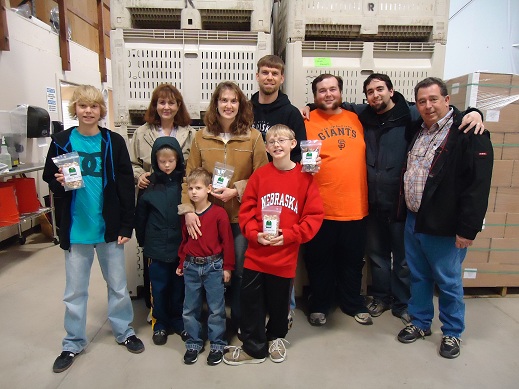
Several have asked me recently where I would recommend buying organic nuts in bulk. I’ve been excited to answer that question as earlier in the year while our family was in California, we made a special trip to visit Braga Organic Farms, one of California’s few organic nut growers. Our family has done business with Braga Organic Farms in the past and Heavenly Homemakers is an affiliate of theirs. We LOVE their organic nuts!! It was so exciting to tour their farm and learn how their operation works and to actually see the pistachio trees and organic practices!

Braga Organic Farms has been organic for over 11 years. Every question we asked, they knew the answer (and we asked a LOT of questions). These folks know their organic farming and care a lot about their work! Did I mention that theirs is a family run business? We love that part too!

One of the biggest questions we had, and the subject we covered most while we were there was:  Why Organic?  Is it important to buy organic nuts instead of conventionally grown nuts? What’s the difference?

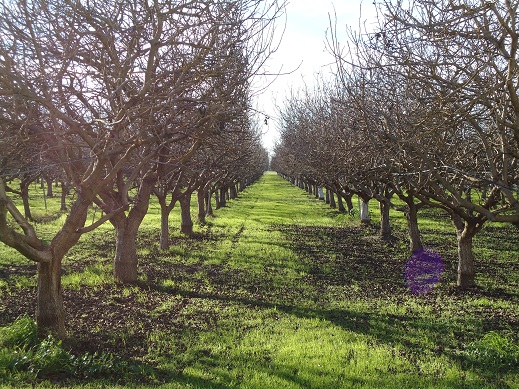
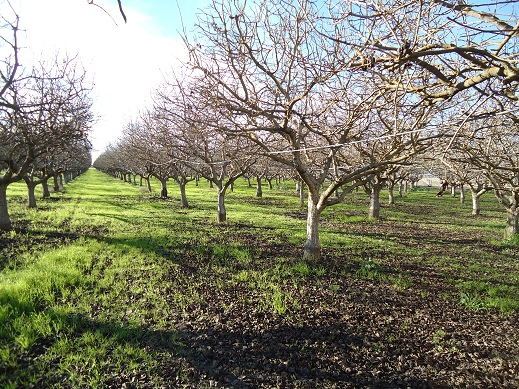
Instead of answering with words only, Mr. Braga took us outside to show us his fields compared to a neighboring farmer who does not grow nuts organically. Here is a lovely picture of the nut tree rows at Braga Organic Farms:

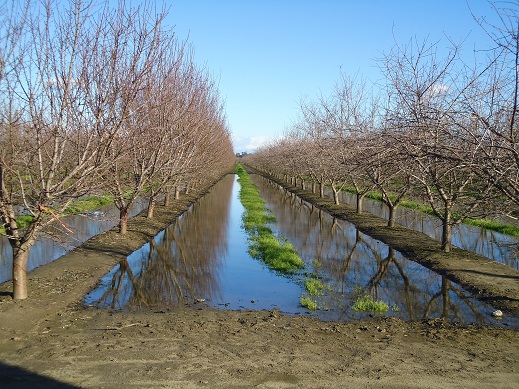
And another:

What’s impressive about the above pictures is that California had been experiencing an unusually large amount of rain during that time. The soil is so healthy, you can’t even tell that rainfall was far above average.

We then turned around and walked just a few feet to take a picture of the non-organic neighboring farm’s nut tree rows:


It was AMAZING to see such a difference in the soil quality at the different farms. As Mr. Braga put it, “Other farmers use pesticides and herbicides to help take care of their trees.  We work hard to care for our soil…then the SOIL takes care of our trees.”


Yep, healthy soil makes for healthy trees which makes for healthy nuts. In fact, Mr. Braga told us that because their organic nuts are not typically as large as “regular nuts”, they are more nutrient rich because the nutrients are more consensed. Pound for pound, organic nuts are more nutritious.

So, we asked, why do organic nuts cost more than conventionally grown nuts?

The answers make sense:

  1. Braga Organic Farms uses a high quality compost instead of cheap fertilizers to enrich their soil. The high quality compost costs a significant amount more than cheap fertilizers.
  2. There is more labor involved in their weed control. They mechanically remove weeds instead of using herbicides.

Our family will be ordering our nuts in bulk from Braga Organic Farms from now on. You can buy a smaller quantity if you don’t want a great big box of nuts, but if you have freezer space, bulk is a great way to go to save money, since shipping costs are the same no matter how much you buy. (You can read my thoughts about paying shipping costs here.)

Nuts stay fresh and keep from going rancid in the freezer for up to three years!  I recommend buying in bulk if possible because while the up-front cost may seem like a lot…when you break down the cost, you’ll find a price comparable to regular ol’ nuts at the store…only these are organic and super high quality!

Have you found a great source for organic nuts? Do you buy in bulk? Don’t you just love snacking on nuts? (Unless of course, you are allergic to nuts, in which case you had a hard time reading this post in the first place.)  :)

Braga Organic Farms has agreed to give all of us a 10% discount on any purchase now through April 7!! Be sure to take advantage of these great savings! Use the code home to receive the discount.

Heavenly Homemaker's Club Members: Access your homepage and all your fantastic resources here! Not a member yet? Please join us!

Five Simple Ways to Live a Natural Lifestyle

January 4, 2011 by Laura 16 Comments

This post may contain affiliate links. For more information, please see our disclosure policy.

watersm

What does it look like to live a “Natural Lifestyle”?

There are all kinds of different definitions for the word “natural”. Many foods are labeled “natural” in an attempt to appeal to the conscientious consumer. Corn growers pay for advertisements that say that High Fructose Corn Syrup is “natural”. Well, sure it is…in a loose sense of the word I suppose, but that doesn’t make it good for us. Shucks…arsenic is natural.

My own definition of living a “Natural Lifestyle” I suppose would be “getting back to the basics”. Whether we’re talking about food, family choices, in general taking care of ourselves…doesn’t it just sound refreshing to “get back to the basics”?

Here are five simple ways I’d like to suggest to live a more Natural Lifestyle:

1. Eat Real Food

Yes, you’re so surprised I listed this one aren’t you? Real food is best. Food in it’s natural form. Food that isn’t processed. Food that tastes so stinkin’ good you don’t know what to do with yourself!!! It’s amazing what food without chemicals tastes like!

Need a little help getting started? Here are some links to past series I’ve written about how I feed my family and about why I feel real food is best:

  • How I Feed My Family
  • Getting Real With Food
  • Our Healthy Eating Journey
  • Simple Steps Toward Healthy Eating (I’m still working on this series…stay tuned!)

2. Drink Water

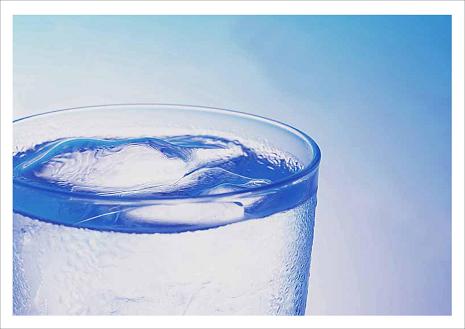
I already wrote about how you should drink more water and told you about some healthy alternatives to soda and other not-so-good-for-you beverages. But really…one of the simplest (and cheapest!) ways for you to adopt a more natural lifestyle is to stop filling your body with icky beverages and just drink water.

3.  Exercise

Yeah, and this advice is coming from me…the girl who doesn’t really like to exercise. Guess what though?! My husband and I have made it a point to exercise together three days a week for the past few weeks and I’m actually starting to like it! I’ve heard people say that once you start exercising regularly, you begin to crave it. I never believed them. Until now.

It’s really not as hard as you think, but exercising is just like anything else you need to be doing…YOU ACTUALLY HAVE TO DO IT. I know, profound. The main idea is this:  Do what you can to not be sedentary.

A side benefit of exercising:  You’ll crave more water and more real foods. Yeah, somehow having a candy bar and soda after exercising feels a little silly. Water and fruit sounds much better.

4. Stay Home More

This may seem like a weird item for our Natural Lifestyle list…but it doesn’t get much simpler or more natural than this. Stay home more. You’ll save money, your vehicles will last longer…and joy of joys…you may not be so worn out all the time! I find that when I’m running from here to there and back again…I am completely exhausted AND behind on all the work I need to do at home. We don’t need THAT much outside “stuff”. When you’re home more…you’ll find you’ll be more rested and more relaxed…naturally.

5. Waste Less

The more natural your lifestyle, the less waste you’ll have. If you make your food from scratch, you’ll have a lot less packaging trash. If you serve smaller portions and make it a point to eat leftovers, you’ll throw away less food. If you don’t buy stuff you don’t need, you’ll waste a LOT less money. If you use cloth napkins and let your kids draw on used scratch paper, you’ll save a lot of trees. None of these things are hard. You just have to be a bit more intentional.

And then of course there are all kinds of other things I’d recommend as you work your way to a more Natural Lifestyle, like planting a garden, buying locally grown produce and other foods, getting good sleep and eating lots of chocolate.

Just kidding. Chocolate may be natural, but eating lots of it would be “The Simplest way to Gain Five Pounds”. That‘s another post for another day.

————————————————–

Be sure to take the time to read these “Five Simple Ways” posts too! A big thanks to Toni at Happy Housewife for organizing this series!

Carrie from Springs Bargains: Simple Ways to Make Money From Your Blog
Jen from Balancing Beauty and Bedlam: 5 Simple Ways to Dress Fabulously for Less
Myra from The Casabella Project: 5 Simple Ways to Decorate on a Dime
Melissa from A Familiar Path: 5 Simple Ways to Take Better Photos
Jenny from Southern Savers: 5 Simple Ways to Start Using Coupons
Lynn from Lynn’s Kitchen Adventures: 5 Simple Ways to Save Time in the Kitchen
Connie from Smockity Frocks: 5 Simple Ways to Have a Successful Homeschool Day
Toni from The Happy Housewife: 5 Simple Ways to Save Money in 2011
Laura from I’m an Organizing Junkie 5 Simple Ways to Organize Your Home
Heavenly Homemaker's Club Members: Access your homepage and all your fantastic resources here! Not a member yet? Please join us!
« Previous Page
Next Page »

Join Our Community!

 Facebook Twitter E-mail Instagram Pinterest

Popular Posts

~ Will All of the Real Moms Please Stand Up?
~ Easy! Stir-and-Pour Whole Wheat Bread
~ How to Make Gatorade
~ 31 Real Food Breakfast Ideas
~ Dear Teenage Girls...
~ When Mom Takes a Step Back
~ The Inexpensive Health Insurance We Love!
~ Let's Talk Real Food Grocery Budgets

Check out our latest posts!

  • Big Family Food and Fun: May 24-30, 2026
  • Free 7-Day Summer Menu Plan
  • Big Family Food and Fun: May 17-23, 2026
  • Easy Side Dishes for Summer
  • Big Family Food and Fun: May 10-16, 2026
Home  ~  Simple Meals  ~  Club Membership  ~  Shop  ~  Privacy Policy  ~  Disclosure  ~ Contact

Copyright © 2026 · Beautiful Pro Theme on Genesis Framework · WordPress · Log in