Today I wanted to answer these frequently asked questions regarding how I feed my family whole foods from scratch:
Are you in the kitchen ALL the time? How do you get all of this done? How do you keep up with all the dishes?
I am in the kitchen a lot…but I don’t live in there. (See, like right now I’m on the computer in the living room instead. :) ) Cooking from scratch and finding good sources for our food does take time…but here are some things I do to make my work simpler:
- I plan our menus!!! I can not be efficient in the kitchen without a plan for the week. (Just ask my kids how last week was when our computer was down and I didn’t have access to my site for my menu plan. They’d say, “What’s for lunch?” (at 12:36) and I’d look at them with glossy eyes and say, “Uh…”) Menu plans are a must for me.
- I cook simple meals…simple foods. I rarely cook anything that requires complicated steps or hard to work with ingredients. Meat, potatoes, rice, beans, veggies, fruits, grains, eggs, milk…it’s all just basic food put together into different yummy meals.
- I wash dishes as I go. I really do dirty up a lot of dishes in a day…but I try (try) to keep up with them by washing them as I cook. Sometimes they pile up. Sometimes it’s hard to keep up. Sometimes they make me discouraged. But they get done. I have a dishwasher. I have boys old enough to help. I have ten minutes here and there to knock more out of the pile. I love having clean countertops.
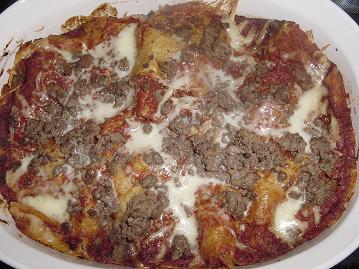
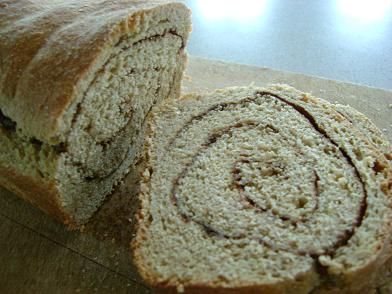
- I think ahead, plan ahead, cook ahead. This is one of my biggest cooking helps. I look at my menu plan and know what I’ll need for the week. If I can, I spend several hours on Friday night and Saturday cooking and baking for the week ahead. I’ll make up a double batch of tortillas, cook chicken for broth, bake four loaves of bread (sometimes making a couple of the loaves into cinnamon swirl bread like the picture at the top of this post), brown hamburger meat, cook rice, put together burritoes for the freezer, or any other foods that will make the week ahead run more smoothly. THEN, during the week…it’s like having convenience foods in the fridge or freezer!
- I keep a running list of what I need to buy or order. Usually, I do this online on my co-op website. As I think of something I need to order, I enter it into my online invoice as soon as I can so I don’t forget. The website remembers my order for me and I can just keep adding to it until I submit my order each month.
- I make tomorrow’s breakfast while I’m cooking tonight’s dinner. This doesn’t always work (like, I’m not going to scramble tomorrow’s eggs at 6:00 tonight…yuck), but if we’re having muffins for breakfast, I’ll mix them up and bake them while I’m in the kitchen cooking dinner. In the morning, I’ll re-warm them in the oven for a few minutes, or just serve them as is. Or, if I’m making biscuits tomorrow morning, I’ll mix the flour and buttermilk so they can soak overnight…and then just finish them up the next morning. I often make a double batch of waffles, let them cool, then freeze them. Then we have convenient, toaster waffles whenever we need them. LOVE it. I mix up turkey sausage, shape it into patties and stick them in the fridge for the morning.
Those are some of the things I do to keep myself organized and sane during the busy weeks of school work, computer work, laundry, and you know…Chutes and Ladders.
What are some of your best ways of staying organized while you’re cooking? Do you feel like you spend hours in your kitchen?
Visit Tammy’s Recipes for more kitchen tips.